



What are infectious diseases?
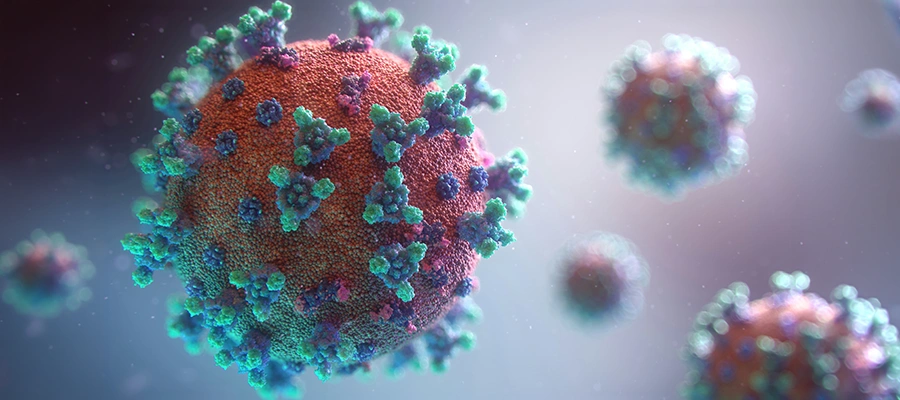
The human body is exposed to numerous microorganisms in the environment every day. Under normal circumstances, the immune system protects against these external factors, but in some cases, microorganisms can enter the body and overcome the natural defense mechanism. In this case, health problems affecting different organ systems may begin to develop. Infectious diseases refer to a group of illnesses that arise as a result of living organisms such as bacteria, viruses, fungi, or parasites settling in the body and disrupting normal bodily functions.
In some cases, the infection affects only a specific area, while other microorganisms can spread through the circulatory system and affect multiple organs. The severity of the disease can vary depending on the type of causative microorganism, the state of the immune system, and the area in the body where it settles.
How are infectious diseases transmitted?
Many unnoticed contacts in daily life can cause microorganisms to pass from person to person or from the environment to person. Airborne droplets during breathing, contact with surfaces, inadequate hygiene, or direct bodily fluids can all play a role in this transmission. Although the entry routes vary, the basic process is that microorganisms overcome the immune system and begin to multiply.
The mouth, nose, and eyes are among the entry points that come into direct contact with the external environment. In addition, areas where skin integrity is compromised, the digestive system, or sexual contact can also be routes of transmission. The type of microorganism can directly affect the mode of transmission, and not every infection spreads through the same route.
What are the symptoms of infectious diseases?
When the immune system begins to mount a defense against foreign organisms entering the body, certain symptoms may appear. While these symptoms can vary depending on where the infection develops, the general bodily responses are often similar. Especially when systemic involvement begins, a person’s overall health can change rapidly.
The most common symptoms include fever, intense weakness, sweating, loss of appetite, and general body fatigue. In some cases, confusion, muscle aches, headaches, or additional symptoms affecting different organs may develop. The duration and severity of symptoms can vary depending on the effect of the microorganism.
What types of infectious diseases are there?
Microorganisms are divided into different groups according to their structure, and each group can cause disease in the body through different mechanisms. The way the disease develops, the rate of spread, and the symptoms it causes can vary depending on the type of causative agent. Therefore, determining which microorganism is responsible is crucial in the accurate diagnostic process.
Generally, bacterial infections, viral infections, fungal infections, and parasitic diseases fall into the main groups. Some microorganisms affect only specific organs, while others can cause widespread symptoms throughout the body. The treatment approach varies depending on the causative agent.
When should you consult a doctor for infectious diseases?
In infectious diseases, some symptoms can be indicative of more serious conditions. Prolonged high fever, increasing weakness, excessive sweating, changes in consciousness, or a general deterioration in condition should be carefully evaluated.
Early assessment is crucial, especially in rapidly progressing infections. Diagnosis may involve blood tests, serological tests, specialized laboratory examinations, and radiological evaluations.
In cases of infectious disease, you should consult a doctor:
- Prolonged high fever
- Increasing fatigue
- Excessive sweating
- Changes in consciousness
- General condition deterioration
- Rapid progression of symptoms
- Symptoms persist despite treatment
How are diagnoses and tests performed in infectious diseases?
In infectious diseases, diagnosis requires identifying the causative agent of the infection as clearly as possible. Since similar symptoms can be caused by different microorganisms, not only the complaints but also laboratory and imaging results are evaluated together.
Diagnosis may involve blood tests, serological tests, culture examinations, and specific analyses targeting the microorganism. In some cases, chest X-rays, ultrasound, CT scans, or other radiological examinations are also included in the process.
The diagnostic methods used in infectious diseases are as follows:
- Blood tests
- Serological tests
- Cultural studies
- Specific analyses targeting microorganisms.
What are the treatment methods for infectious diseases?
Since each microorganism causes disease in the body through different mechanisms, the approach to be applied may also vary. When creating a treatment plan, the causative agent, the severity of symptoms, the state of the immune system, and the affected organ structures are all evaluated together. Therefore, not every infection is treated with the same methods.
While drug treatments are the primary approach in some cases, supportive therapies or closer monitoring may be necessary in others. Accurate identification of the microorganism is particularly important for the effectiveness of treatment. Incorrect or incomplete assessment can delay recovery.
What are the ways to protect against infectious diseases?
Many surfaces touched unknowingly in daily life, as well as respiratory or direct contact, can allow different microorganisms to enter the body. Therefore, a preventive approach encompasses not only measures taken after a disease has appeared, but also precautions taken before the disease develops. Personal hygiene habits are considered one of the fundamental protective steps in this regard.
Regular hand washing, maintaining hygiene in shared areas, taking necessary precautions against respiratory infections, and adopting lifestyle habits that support the immune system are all part of a protective approach. Since microorganisms can be transmitted in different ways, methods of protection may vary depending on the pathogen.
Are infectious diseases always contagious?
Not all health problems caused by microorganisms exhibit the same level of contagiousness. In some cases, the causative agent can easily spread from person to person, while other infections may only occur after specific environmental contacts. Therefore, it may not be accurate to assess every condition with the same level of contagiousness.
While some bacteria, viruses, or parasites can spread through direct contact, some microorganisms can only cause disease in the body when the immune system is weakened. Therefore, infectious diseases represent a broad health group with different transmission mechanisms.
Are antibiotics used for every infection?
Because microorganisms have different structures, the same drug group is not used for every disease. Bacteria, viruses, fungi, and parasites multiply in the body in different ways. Therefore, when evaluating infectious diseases, it is necessary to correctly identify the causative agent.
Antibiotics are only effective against bacterial infections. Unnecessary antibiotic use in viral illnesses does not speed up recovery and can lead to the development of resistance.
Can an infection occur without a fever?
The immune system may not react the same way in everyone. Although fever is a common symptom, some microbial conditions can progress without a fever. Therefore, infectious diseases should not be evaluated solely based on the presence of fever.
Weakness, sweating, loss of appetite, muscle pain, or general fatigue may be more pronounced in some individuals. Symptoms may be less severe, particularly in the elderly and those with weakened immune systems.
What could recurring infections be a sign of?
Experiencing similar health problems in quick succession may suggest a weakness in the body’s immune system. Sleep disorders, stress, chronic illnesses, vitamin deficiencies, and blood sugar imbalances can all contribute to this.
Recurrent infectious diseases should be investigated not only based on current symptoms but also on their underlying causes. This approach helps in planning a more accurate treatment.
What happens if infectious diseases are left untreated?
Initially mild, microbial diseases can spread to more widespread areas over time. If treatment is delayed, the respiratory system, circulatory system, kidneys, or nervous system may be affected. Therefore, infectious diseases should be addressed correctly and early.
If you experience prolonged weakness, high fever, confusion, excessive sweating, or a general deterioration in your condition, the process should not be taken lightly. In advanced cases, recovery may become more difficult.
Which department should be consulted for infectious diseases?
Prolonged fever, unexplained weakness, recurring microbial problems, excessive sweating, or altered consciousness warrant evaluation by the relevant specialist. The infectious diseases department plans the diagnosis and treatment process for such conditions.
Blood tests, serological examinations, culture analyses, and imaging methods when necessary may be used. Accurate identification of the causative agent allows for more effective treatment selection.