bg
tedavilerimiz-bg
hakkımda-logo
About Me
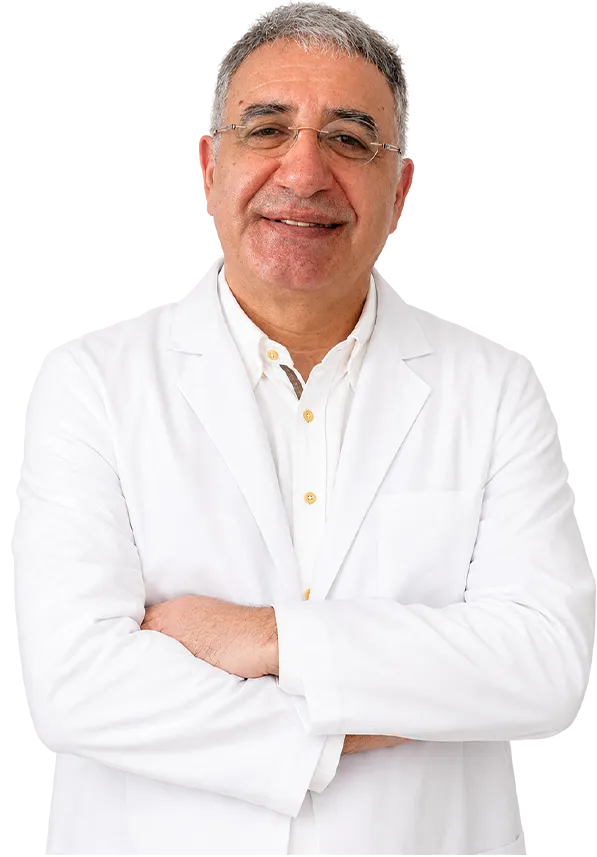
Dr. Hüseyin ÇAT
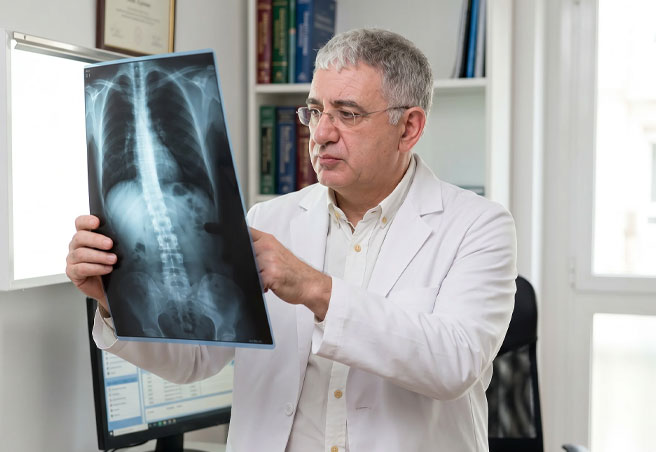
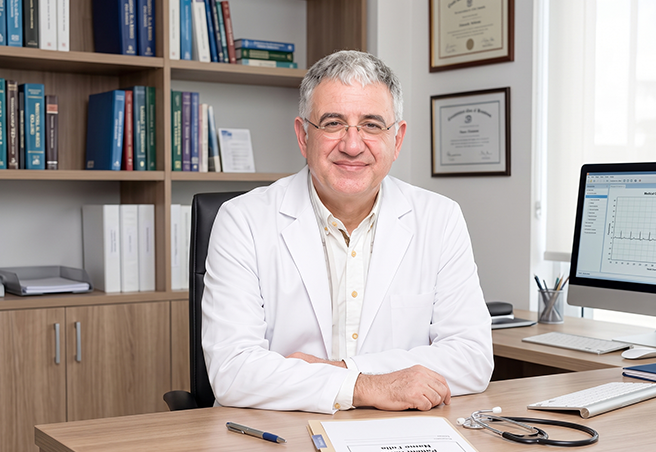
Born in Malatya in 1966, Dr Hüseyin Çat graduated from Cerrahpaşa Faculty of Medicine in 1990. He completed his specialist training in Internal Medicine at the Paris Faculty of Medicine in 2000. He worked at Malatya Beydağı State Hospital, Şişli Etfal Training and Research Hospital, and the German Hospital. He served for many years at the French Lape Hospital as an Internal Medicine Specialist and Chief Physician. He also currently serves as a consulting physician to the French and Belgian Consulates in Istanbul. His main areas of interest include general internal medicine, thyroid diseases, metabolic diseases, diabetes, hypertension, obesity, hyperlipidaemia, geriatrics, alcohol-related complications, preventive medicine, and check-up management.
Each year, we successfully treat an average of 13,000 patients.
We evaluate our patients’ health conditions in detail in the field of internal medicine and personalise their diagnosis and treatment processes. We support your health with confidence through regular follow-up and a holistic approach.<
35+
Years of Experience
4
Healthcare Institutions Served
2
Consulates Advised
Cancer Screening Is One of the Strongest Steps Towards Early Diagnosis
Cancer screenings help assess potential risks and detect disease at an early stage before symptoms appear. Early diagnosis can increase treatment options and support more successful management of the process. Screening programmes should be planned according to the person’s age, sex, family history, lifestyle, and current health condition. Screenings for diseases such as breast, cervical, colorectal, prostate, and lung cancer may be performed regularly in appropriate age and risk groups. As part of an Internal Medicine evaluation, personal risk factors are examined, the necessary tests are determined, and the results are assessed holistically. Regular health check-ups and personalised screening programmes aim to identify potential diseases at an early stage. Do not postpone your check-ups if you wish to protect your health and understand your risks.

düzenli-taraama
Patient Reviews
Your feedback inspires us to improve the quality of our services. We bring together your experiences, satisfaction, and comments here.
A

Aylin D.

★★★★★
22.04.2026

I consulted Dr Hüseyin Çat for my routine check-ups. He evaluated my test results in detail and explained the points I needed to pay attention to in clear language. His calm and attentive approach throughout the examination made me feel confident.

M

Mehmet K.

★★★★★
20.03.2026

I consulted him because my blood pressure readings had been irregular for a long time. He carefully reviewed my previous results and planned the follow-up process clearly. I was pleased that he answered my questions in detail.

A

Ahmet T.

★★★★★
14.02.2026

I visited him to have my check-up results evaluated. He considered not only my laboratory values but also my daily habits and family history. His explanations were clear and informative.

E

Emre S.

★★★★★
27.01.2026

I had been wanting to establish a regular follow-up plan for my thyroid, cholesterol, and weight problems for a long time. Dr Hüseyin Çat evaluated all my results together and explained how the issues were connected. He created a suitable monitoring plan for me and explained the lifestyle changes I could make in a practical way. His experience and communication were highly reassuring.

M

Murat E.

★★★★★
10.05.2026

My father has several chronic conditions and takes regular medication. We consulted Dr Hüseyin for a general assessment. He carefully reviewed all reports and medications and explained which values needed to be monitored. His calm and informative approach towards both the patient and the family helped us manage the process much more comfortably.

Z

Zeynep G.

★★★★★
22.06.2026

I consulted him because my blood sugar and cholesterol levels had increased. He evaluated my test results in detail and not only shared the results but also explained what the values meant. He offered realistic recommendations regarding nutrition, physical activity, and regular monitoring. I believe he is an experienced and informative physician who listens carefully to his patients.

Frequently Asked Questions
Your feedback inspires us to improve the quality of our services. We bring together your experiences, satisfaction, and comments here.
What are the early signs of diabetes?
Diabetes may present with frequent urination, excessive thirst, constant hunger, fatigue, blurred vision, and unexplained weight loss. Slow-healing wounds and recurrent infections may also occur. However, Type 2 diabetes in particular can progress for a long time without causing noticeable symptoms. People who are overweight, physically inactive, or have a family history of diabetes should have their blood sugar checked without waiting for symptoms.
Does high blood pressure cause symptoms?
High blood pressure often progresses without causing symptoms. Therefore, feeling well does not mean that blood pressure values are normal. When blood pressure becomes very high, headache, blurred vision, chest pain, dizziness, and shortness of breath may occur. Untreated hypertension can negatively affect the heart, brain, kidneys, and blood vessels. Regular and accurate blood pressure measurements are necessary to detect hypertension.
What is insulin resistance and how is it detected?
Insulin resistance occurs when muscle, fat, and liver cells do not respond properly to insulin. It may not cause noticeable symptoms in many people. Excess weight, a large waist circumference, physical inactivity, and a family history of diabetes can increase the risk. The evaluation may include the patient’s medical history, fasting blood glucose, HbA1c, and, when necessary, a glucose tolerance test. Early lifestyle changes may help reduce the risk of developing Type 2 diabetes.
What are the symptoms of thyroid diseases?
An underactive thyroid gland may cause fatigue, weight gain, sensitivity to cold, constipation, dry skin, and thinning hair. An overactive thyroid may cause palpitations, sweating, tremors, restlessness, and weight loss. Since these symptoms can also occur with other health conditions, a diagnosis cannot be made based on complaints alone. Blood tests, particularly TSH and T4, are generally used to evaluate thyroid diseases.
How is fatty liver disease detected?
Fatty liver disease often progresses without symptoms and may be detected during routine blood tests or imaging. Obesity, insulin resistance, metabolic syndrome, and Type 2 diabetes can increase the risk of fatty liver disease. The diagnostic process includes an assessment of the patient’s medical history, physical examination, liver function tests, and imaging methods such as ultrasound. Regular follow-up is important because inflammation and liver damage may accompany fat accumulation in some patients.
What are the most common symptoms of anaemia?
Anaemia may cause symptoms such as fatigue, rapid tiredness, paleness, dizziness, shortness of breath, headache, and heart palpitations. Mild anaemia may not cause any complaints. In addition to deficiencies of iron, vitamin B12, or folate, blood loss and chronic diseases may also cause anaemia. A complete blood count is performed for diagnosis, and, when necessary, iron, ferritin, vitamin B12, and other tests are used to investigate the cause.
How is obesity treatment planned?
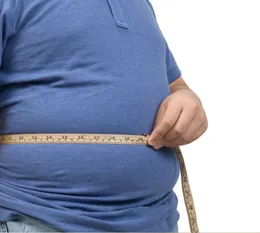
Obesity treatment should be planned according to the person’s weight, waist circumference, dietary habits, daily activity, and accompanying conditions. A sustainable nutrition programme, physical activity, and behavioural changes form the basis of treatment. Medication or surgical methods may be considered for some patients under medical supervision. Conditions such as diabetes, hypertension, fatty liver disease, and thyroid disorders should also be considered when preparing the treatment plan.
Are a check-up and cancer screening the same?
A check-up and cancer screening are not the same procedure, but they can complement each other. A check-up includes an evaluation of the person’s general health, chronic disease risks, and current complaints. Cancer screenings aim to detect certain types of cancer at an early stage before symptoms appear. The screenings performed should be determined according to the person’s age, sex, family history, smoking status, and individual risks. Applying the same tests to every patient is not appropriate.
sağlığınız-için-güvenli-adımlar
Take Safe Steps for Your Health
We provide comprehensive evaluation services in general internal medicine, thyroid and metabolic diseases, diabetes, hypertension, obesity, and geriatrics. By assessing your complaints, medical history, and test results together, we create a personalised follow-up plan. We support your health through early diagnosis, regular check-ups, and a preventive medicine approach.
This site is registered on wpml.org as a development site. Switch to a production site key to remove this banner.