



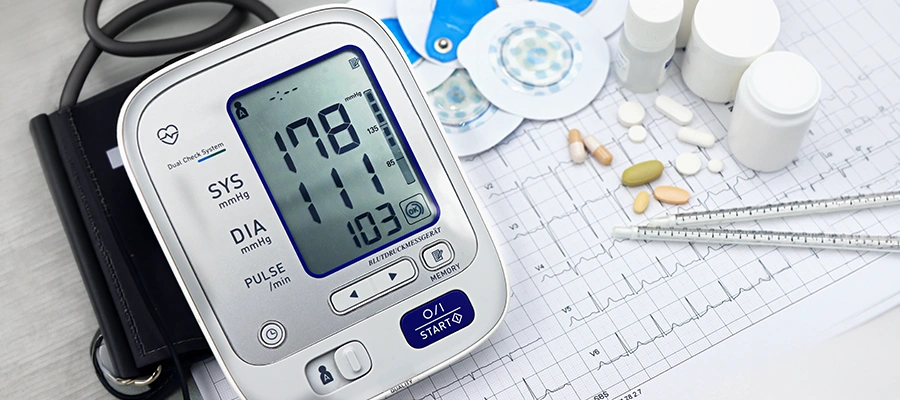
What is hypertension?
When the pressure exerted by the blood pumped by the heart on the blood vessel walls remains above normal limits for an extended period, it is a significant health problem that requires careful monitoring. It is particularly important because it can progress unnoticed for years, making regular check-ups necessary. Hypertension is not just about elevated blood pressure values during certain periods; in the long term, it can affect many organ systems.
Persistently high blood pressure can cause the blood vessels to lose their elasticity over time. Uncontrolled levels can have damaging effects on the heart, kidneys, brain, and vascular system. Therefore, it is considered a health issue that requires lifelong monitoring.
What are the symptoms of high blood pressure?
Some people may experience elevated blood pressure without noticeable symptoms for a long time. This often results in the person feeling perfectly healthy while their readings remain higher than normal. However, at certain times, symptoms such as headaches, a feeling of pressure in the neck, dizziness, palpitations, or tinnitus may occur.
Higher levels may cause shortness of breath, blurred vision, chest tightness, or sudden weakness. However, the absence of symptoms does not mean that the vascular system is unaffected, and regular check-ups are important.
How is hypertension diagnosed?
A single measurement is often insufficient for a definitive assessment. Measurements taken at different times of the day, the individual’s resting state, and any recurring high blood pressure are evaluated together. In some individuals, home monitoring or long-term blood pressure monitoring devices can be used to observe daily variations.
When persistently high blood pressure readings are detected, the diagnosis of hypertension begins to be evaluated. The diagnostic process considers not only blood pressure measurement but also accompanying metabolic conditions, medications being used, and general health history.
What should blood pressure values be?
Although blood pressure values can vary depending on a person’s age and current health status, generally accepted target levels should be within certain limits. Current assessments suggest that healthy blood pressure values for most people are expected to be below 130/80 mmHg.
Measurements consistently above these limits can place an additional burden on the vascular system in the long term. These values are not evaluated in isolation but are considered in conjunction with an individual’s cardiovascular health.
What are the causes of hypertension?
The factors affecting blood pressure are quite diverse, and often more than one cause can be at play simultaneously. Family history is an important factor, but genetic predisposition alone may not be sufficient to explain it. Diet, excess weight, inactivity, stress, and daily lifestyle habits can all directly affect blood pressure levels.
In some individuals, metabolic factors can significantly alter the clinical picture. Kidney diseases, hormonal disorders, blood sugar irregularities, or various health problems affecting metabolism can all play a role in the development of high blood pressure.
The Importance of Blood and Urine Tests in Hypertension
When high blood pressure is detected, simply monitoring the measurements is often not enough information. Understanding the underlying causes requires crucial laboratory tests. Blood and urine analyses help investigate metabolic conditions that may be contributing to high blood pressure.
Kidney function, electrolyte balance, blood sugar, cholesterol levels, and certain parameters affecting hormonal structure can be evaluated during these examinations. The results obtained help in planning the medications to be used in treatment and enable healthier management of the long-term follow-up process.
How is hypertension treated?
Persistently high blood pressure is not considered merely a temporary measurement problem and requires long-term monitoring. When developing a treatment plan, the duration of high blood pressure, the individual’s daily habits, and underlying causes are all considered. The goal of hypertension treatment is not only to lower blood pressure but also to protect organs from long-term damage.
While lifestyle changes play a significant role for some individuals, medication may be necessary in others. Especially if there are metabolic causes or genetic predisposition, the appropriate treatment plan is determined more carefully, and the process continues with regular follow-up.
Why is monitoring hypertension important?
Even when blood pressure is brought under control, the process is not considered complete with medication alone. This is because blood pressure levels can change over time, and the body may react differently at different stages. Regular monitoring is important to understand whether the treatment is effective.
The monitoring process involves more than just blood pressure measurement. Kidney function, the circulatory system, heart health, and other factors affecting daily life are also evaluated. Long-term monitoring helps to detect potential additional risks earlier.
What Risks Does Uncontrolled Hypertension Lead To?
Prolonged high blood pressure begins to put constant pressure on the walls of blood vessels. This can lead to damage in the vascular structure over time, and different organ systems can be affected. As the process progresses, the burden on the cardiovascular system can gradually increase.
Uncontrolled hypertension can have serious effects, particularly on the heart, kidneys, eyes, and brain. Cardiovascular diseases, kidney dysfunction, vision problems, and serious conditions affecting brain circulation may become more common in later stages.
My blood pressure was high once; do I have hypertension?
A single elevated reading doesn’t always mean there’s a permanent health problem. Stress, physical activity, lack of sleep, caffeine consumption, or momentary emotional changes throughout the day can cause temporary spikes in blood pressure.
To make a definitive assessment, repeated measurements on different days and under appropriate conditions are needed. If persistently high values continue to be observed, a more detailed evaluation for hypertension may be necessary.
What should I pay attention to when measuring my blood pressure at home?
To obtain accurate measurements, it is necessary to rest briefly before the measurement. Measurements taken after exercise, immediately after smoking, or under intense stress may not reflect the true result. During the measurement, the arm should be held at heart level and the person should be seated in a comfortable position.
Small differences may be observed in consecutive measurements. Regularly monitoring at the same times of day helps to understand the overall trend of the values more accurately.
Why might blood pressure readings be different in the morning and evening?
Blood pressure does not remain constant throughout the day and can vary depending on the body’s biological rhythm. Sleep patterns, physical activity, stress levels, dietary habits, and daily mobility can all influence this variation.
While values may differ in the morning due to changes in hormone levels, physical fatigue or mental stress experienced throughout the day can be reflected in the measurements in the evening. Therefore, regular monitoring at specific intervals provides more meaningful results than a single measurement.
Can high blood pressure cause headaches?
An unnoticed rise in blood pressure during the day can cause noticeable symptoms in some people. These may include pressure felt in the neck area, pain concentrated in the back of the head, or discomfort that begins in the morning. However, not everyone experiences the same symptoms, and some people may not experience any complaints for a long time.
In some cases, hypertension can progress silently and may only be detected during regular measurements. While headaches can be a symptom, they are not considered a definitive indicator on their own.
Does hypertension damage the heart and kidneys?
Continuously high pressure within blood vessels begins to put strain on circulation to the organs over time. The heart, in particular, may have to work harder to cope with this high pressure, and structural changes may develop in the long term. Similarly, the delicate vascular structure of the kidneys can also be affected by this process.
Long-term uncontrolled hypertension can lead to serious consequences such as thickening of the heart muscle, hardening of the arteries, and impaired kidney function. Since organ damage often develops slowly, regular monitoring is crucial.
Are hypertension medications used for life?
Treatments used to regulate blood pressure may not last for the same duration in every person. The determining factors are the cause of the high blood pressure, the individual’s lifestyle habits, co-existing conditions, and their response to treatment. Some people may require long-term medication.
Regular control of hypertension is necessary, especially as long as genetic predisposition or metabolic causes persist. The duration of treatment may vary depending on the individual’s health condition and is re-evaluated at regular intervals.
Can I stop taking my blood pressure medication when I feel better?
Many people may think that treatment is complete when blood pressure readings return to normal after taking medication. However, normal blood pressure readings often indicate that the treatment is effective and do not mean that the medication is no longer needed.
Abruptly stopping treatment for controlled hypertension can cause blood pressure to rise again. Any changes to medication should only be planned after evaluating monitoring results and overall health status.
Why is salt intake important in hypertension?
Dietary habits are one of the most important daily factors affecting blood pressure. In particular, excessive salt consumption can alter fluid balance in the body and increase pressure in the vascular system. High sodium intake, often unknowingly, can contribute to elevated blood pressure over time.
In the long term, medication alone may not be sufficient to maintain hypertension control. A diet high in processed foods, ready-made products, and salt can make it more difficult to stabilize blood pressure.
Does losing weight lower blood pressure?
An increase in body weight can cause the cardiovascular system to work harder. Especially in overweight individuals, the heart has to exert more effort to pump blood to the tissues, and this can directly affect blood pressure. A decrease in daily physical activity can also exacerbate this condition.
Some people may experience more stable hypertension levels after weight loss. Regular exercise and a balanced diet, in particular, can reduce the burden on the body’s circulatory system.
Does stress raise blood pressure?
Under intense stress, the body begins to release more of certain hormones as a defense mechanism. These hormones can increase heart rate and cause temporary narrowing of blood vessels.
This situation can lead to sudden spikes in blood pressure. In situations of continuous stress, controlling hypertension can become more difficult because sleep disturbances, increased anxiety, and prolonged tension can have negative effects on the vascular system.
The effects of stress on blood pressure include:
- Increased heart rate
- Temporary narrowing of the blood vessel structure.
- Increase in blood pressure values
- Development of sleep disorders
- Increased anxiety levels
- Long-term tension
- Hypertension control becomes more difficult.
Which department should I consult for hypertension?
If high blood pressure readings are observed in regular measurements, a detailed evaluation is necessary. If symptoms such as headache, palpitations, dizziness, and shortness of breath recur frequently, expert evaluation for hypertension is important.
High blood pressure can sometimes develop on its own, while other times it may be a symptom of different health problems. Therefore, necessary tests may be planned during the diagnosis and monitoring process.
The following examinations can be performed in the evaluation of hypertension:
- Blood pressure measurement
- Blood tests
- Urine tests
- Cardiac evaluation
- Investigation of metabolic causes
- Creating a regular follow-up plan.