



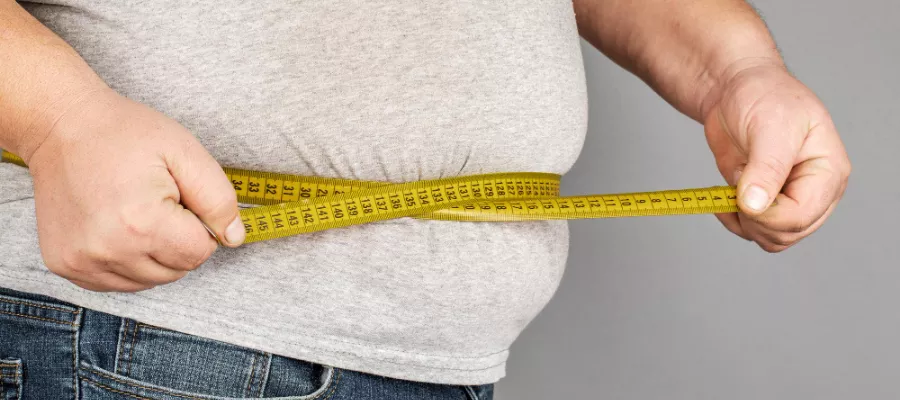
Obesity is a chronic and complex health condition that develops as a result of multiple factors coming together and should not be evaluated solely in terms of excess weight or aesthetic appearance. Explaining obesity treatment simply as “eating less and moving more” means overlooking both the nature of the condition and the biological and behavioral processes faced by people who have difficulty losing weight.
Two people may weigh exactly the same, yet the reasons behind their weight gain, appetite mechanisms, metabolic characteristics, daily activity levels, psychological states, and previous weight-loss experiences may be completely different. Therefore, one of the first requirements for successfully managing obesity is to evaluate the individual as a whole rather than focusing only on the number shown on the scale.
Weight gained during pregnancy and the postpartum period, stages of life associated with reduced physical activity, changes in daily routines after retirement, hormonal problems, certain medications, family eating habits, and psychological factors may all contribute to the development of obesity to varying degrees. Successful obesity treatment begins precisely by identifying these individual differences.
What Is Obesity and How Is Body Mass Index Evaluated?
Obesity can generally be defined as an increase in body fat to a level that may pose a risk to health. One of the most commonly used measures in obesity assessment is body mass index. Body mass index is calculated by dividing a person’s weight in kilograms by the square of their height in meters.
| Body Mass Index | General Classification |
|---|---|
| 18.5-24.9 kg/m² | Normal range |
| 25-29.9 kg/m² | Overweight |
| 30 kg/m² and above | Obesity |
| 40 kg/m² and above | Severe obesity |
Although body mass index is a practical and useful measurement, it does not provide a complete picture on its own. Waist circumference, the distribution of body fat, muscle mass, metabolic parameters, existing health conditions, and lifestyle should also be taken into consideration.
This is because obesity is not simply a condition in which body size increases. Fat tissue is metabolically active, and as it increases, it can affect many different systems, ranging from hormones and blood sugar regulation to the cardiovascular system and joints.
Why Can Obesity Not Be Explained Simply by Excess Calorie Intake?
Energy balance undoubtedly plays an important role in the development of obesity. Over the long term, consuming more energy than the body expends contributes to weight gain. However, human metabolism does not function like a simple addition and subtraction equation.
The main factors that may contribute to the development of obesity include:
- Genetic predisposition and individual metabolic characteristics, the effects of hormones on appetite and satiety, metabolic disorders such as insulin resistance, sleep-related problems, a sedentary lifestyle, constant access to high-calorie and easily consumed foods, family eating habits, stress, depression and certain eating behavior disorders, weight gain associated with pregnancy or different stages of life, certain diseases, and the use of some medications may all contribute to the development of obesity to varying degrees.
For this reason, it is unrealistic to expect the same dietary program to produce identical results in every person living with obesity. While excessive appetite may be the primary problem for one person, nighttime eating, insulin resistance, physical inactivity, or unhealthy eating habits developed over many years may be more prominent in another.
This is exactly why treatment needs to be personalized.
The Relationship Between Obesity and Appetite Hormones
The human body has highly complex mechanisms designed to maintain body weight. Particularly during weight loss, the levels of certain hormones involved in appetite, hunger, and energy utilization may change. This is one of the factors that helps explain why maintaining weight after losing it can sometimes be even more difficult than losing weight itself.
| Hormone / Mechanism | Main Effect |
|---|---|
| Leptin | Sends signals to the brain regarding fat tissue and energy stores; changes in its levels may affect appetite. |
| Ghrelin | Plays a role in the sensation of hunger and may increase particularly before meals. |
| Insulin | Plays a fundamental role in blood sugar regulation. Insulin resistance may accompany metabolic problems. |
| Cholecystokinin | Contributes to satiety signals between the digestive system and the brain. |
| GLP-1 | One of the intestinal hormones involved in satiety, gastric emptying, and appetite control. |
For example, leptin levels are closely associated with the body’s energy stores. When the body detects that its energy reserves have decreased during weight loss, this may contribute to an increase in appetite. Ghrelin, on the other hand, plays a role in hunger signaling.
A different cycle may also occur in insulin resistance. As the effectiveness of insulin decreases, the body may be forced to produce more insulin. Over time, impairment in glucose metabolism may increase the risk of developing prediabetes and type 2 diabetes.
Because of these biological mechanisms, obesity treatment should focus not only on what a person eats but also on their metabolic condition.
Why Should Every Patient Be Evaluated Individually in Obesity Treatment?
At the beginning of obesity treatment, it is important to evaluate the person’s weight history in detail. The period in which weight gain began, the methods previously attempted, how much weight was lost, why the lost weight was regained, and the factors that make the person’s daily life more difficult should all be investigated.
Some people may have tried numerous diets over many years. They may have lost weight quickly with a particular program, returned to their previous habits, and subsequently gained even more weight. In such a situation, simply providing another diet plan may not address the underlying problem.
Likewise, when a hormonal or metabolic problem is suspected, the tests considered necessary by the physician should be performed. Blood glucose metabolism, thyroid function, and other parameters associated with the person’s general health may be examined according to the clinical assessment.
Communication between the physician and the patient should remain at the center of treatment. Setting realistic expectations, establishing achievable goals, and viewing treatment as long-term weight management rather than a short-term weight-loss project may increase the likelihood of success.
Why Are Time and Commitment Important in Obesity Treatment?
When dealing with obesity, the first goal for many people is to lose as much weight as possible in the shortest possible time. However, rapid results do not always mean long-term success.
The main question is not simply, “How much weight will I lose?” How much of that weight loss can be maintained is at least as important as the initial weight reduction.
The human body and human behavior both require time. Changing eating habits, making regular exercise a natural part of everyday life, learning portion control, and becoming more aware of hunger and satiety signals are not processes that can be completed within a few days.
For this reason, time is just as valuable as the method used in obesity treatment. Rather than focusing on losing weight rapidly by a particular date, the goal should be to establish a lifestyle that can be maintained for years.
Commitment becomes particularly important at this stage. Eating too much on one day, missing exercise for several days, or seeing an unexpected number on the scale does not mean that treatment has failed. What matters is preventing these situations from turning into permanent abandonment of the treatment plan.
Obesity and Psychological Factors Should Be Addressed Together
Obesity is a health condition with psychological and behavioral dimensions as well as physical ones. Depression, anxiety, impaired body image, low self-esteem, and various eating disorders may occur alongside obesity.
While some people may eat more when they are under stress, others may turn to food as a way of suppressing certain emotions. Episodes of excessive eating accompanied by a sense of loss of control may indicate an eating behavior problem that requires separate assessment.
The critical point is not to view psychological and metabolic factors as alternatives to one another. Approaches such as “the problem is entirely psychological” or “the problem is caused only by hormones” are often inadequate. Biological, psychological, and environmental factors may all be present in the same individual at the same time.
For this reason, when necessary, an interdisciplinary obesity treatment approach involving physicians, dietitians, and mental health professionals may provide more comprehensive results.
The Role of Family, Nutrition, and Exercise in Obesity Treatment
A person’s eating habits are not independent of the environment in which they live. Keeping high-calorie, highly processed, or high-glycemic-load foods in the home on a regular basis may make weight management more difficult.
Therefore, obesity treatment is not simply about changing what is on a person’s plate. Household shopping habits, food preparation methods, portion sizes, and the family’s overall relationship with food are also important.
A similar approach is required for exercise. Viewing exercise merely as a way to “burn calories” limits the true value of physical activity. Regular movement may contribute to maintaining muscle mass, supporting daily energy expenditure, improving physical capacity, and making weight management more sustainable.
For individuals who repeatedly postpone exercise until the evening, physical activity planned for the morning or earlier in the day may be more practical. However, the type and intensity of exercise should be determined according to the person’s age, weight, joint problems, cardiovascular condition, and physical capacity.
In terms of nutrition, adequate protein intake, including vegetables and fiber-rich foods, controlling portion sizes, and reducing the frequency of high-calorie food consumption are among the fundamental approaches.
What Role Do Weight Loss Injections Play in Obesity Treatment?
One of the notable developments in obesity treatment in recent years has been the introduction into clinical practice of new-generation medications that influence appetite and satiety mechanisms. Some of these treatments, commonly referred to as “weight loss injections,” act through the GLP-1 system, while others affect more than one incretin pathway.
In suitable patients, these medications may help reduce appetite, increase satiety with smaller portions, and support weight loss. However, injections used in obesity treatment should not be used indiscriminately solely for the purpose of losing weight.
The following points should be carefully evaluated when beginning weight loss injection treatment:
- The person’s current weight and metabolic condition, accompanying diseases, previous weight-loss methods, medications currently being used, suitability for treatment, potential side effects, starting dose and dose-escalation plan, nutritional adequacy during treatment, and the effects of weight loss on muscle mass should all be evaluated together by the physician.
The primary issue with obesity medications is not simply how much weight the medication causes a person to lose during the first few months. The duration of treatment, the person’s response to therapy, management of side effects, and the long-term plan following weight loss are also important.
A reduction in appetite caused by medication does not mean that nutritional quality becomes unimportant. On the contrary, when the total amount of food consumed decreases, the nutritional content of each meal becomes even more important.
Pay Attention to Nutritional Deficiencies During Rapid Weight Loss in Obesity Treatment
Daily food intake may decrease significantly in individuals who experience rapid weight loss or a considerable reduction in appetite. As portion sizes become smaller, a person may consume fewer calories but may also take in less protein, fewer vitamins, and fewer minerals.
If this process is not properly planned, it may contribute to loss of muscle mass, fatigue, constipation, and certain vitamin and mineral deficiencies.
Vitamin D, vitamin B12, and other B-group vitamins, as well as minerals such as iron, zinc, calcium, magnesium, and potassium, should be evaluated according to individual requirements. However, this does not mean that everyone who loses weight should begin taking numerous supplements on their own.
Nutritional supplements should be planned by a healthcare professional after considering the person’s diet, clinical condition, and laboratory test results when necessary. Adequate fluid and fiber intake also becomes particularly important during periods when appetite decreases and digestive system complaints may occur.
Digestive System Complaints Should Not Be Overlooked in Obesity Treatment
Evaluating obesity only according to the number on the scale may cause other problems that affect daily quality of life to be overlooked. Bloating, constipation, indigestion, reflux symptoms, and gas are among the complaints that should also be evaluated in people living with obesity.
Changes in diet or certain medications used for weight management may also affect digestive habits. Therefore, during treatment, attention should be paid not only to weight loss but also to how the person feels, bowel habits, energy levels, and overall quality of daily life.
Success involves much more than the number shown on the scale. A reduction in waist circumference, improved blood sugar control, greater ease of movement, better sleep quality, and the ability to maintain healthy habits are also important outcomes of obesity treatment.
The Foundation of Long-Term Success in Obesity Treatment
The first step in overcoming obesity is to recognize the seriousness of the condition without looking for the entire solution in a single method. Diet, exercise, behavioral change, psychological support, medication therapies, and surgical methods in suitable patients may all represent different components of obesity treatment.
The method to be used should be determined according to the individual’s needs.
One of the most valuable goals during the weight-loss journey is learning to understand the body more effectively. Recognizing when hunger occurs, identifying situations that trigger uncontrolled eating, understanding which meals provide longer-lasting satiety, and noticing which habits contribute to weight gain can make long-term management easier.
Because obesity may have chronic characteristics, it is more realistic to view weight control as an ongoing process rather than adopting the idea that “I have lost weight, so the treatment is over.” Maintaining lost weight is no less important than achieving the initial weight loss.
It is not necessary to be perfect every day. What matters is for healthy choices to become the majority over time. A well-planned, personalized, and sustainable obesity treatment program should aim not only to achieve weight loss but also to improve overall health and quality of life.