



What are vascular diseases?
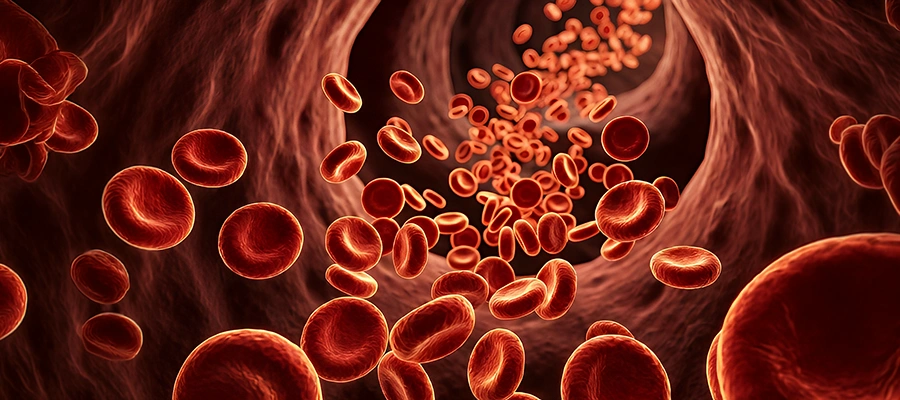
The circulatory system is a complex structure that ensures the transport of oxygen and nutrients to all organs of the body. The blood vessels within this system play a vital role in the healthy functioning of organs by ensuring the regular movement of blood. Damage to the vascular structure can affect blood flow over time and lead to the development of various health problems. Vascular diseases are a broad health field encompassing problems of the circulatory system that generally affect arteries and veins.
Narrowing or blockage of blood vessels, hardening of the vessel walls, clot formation, or valve problems can lead to various disease states. While some vascular diseases progress slowly, others can develop suddenly and require early evaluation. In particular, damage to the circulatory system can directly affect not only the affected area but also the overall functioning of the body.
The Most Common Symptoms of Vascular Diseases
The symptoms of vascular diseases can vary depending on which group of blood vessels is affected and the extent to which blood circulation is impacted. In some people, symptoms may progress mildly for a long time, while in others, complaints that affect daily life may appear earlier. Circulatory disorders, especially in the legs, are among the most frequently noticed symptoms.
Common symptoms include leg pain, cramping during walking, coldness and numbness in the feet, changes in skin color, swelling in the legs, and prominent veins. Additionally, sudden pain, difficulty moving, a feeling of heaviness or imbalance after standing for long periods may necessitate a detailed evaluation of the vascular structure.
Differences Between Arterial and Venous Diseases
The vascular system is fundamentally composed of two distinct structures: arteries and veins. Arteries carry oxygenated blood from the heart to the organs, while veins return used blood to the heart. The causes and health problems resulting from diseases affecting these two vascular groups differ.
The most common condition in arterial diseases is atherosclerosis, also known as hardening of the arteries. Plaque can accumulate in the artery walls over time, leading to narrowing or complete blockage of the artery. In venous diseases, dilation of the arteries, valve insufficiency, or blood clots within the artery are more common. Therefore, arterial and venous diseases require different evaluation processes.
Leg Vascular Diseases and Circulatory Problems
The legs are one of the most common areas for circulatory system problems. In particular, atherosclerosis, which develops in the arteries, can reduce blood flow to the legs. This can cause pain in the calf area while walking, a feeling of coldness in the feet, and eventually impaired circulation.
As circulatory problems progress, tissues may not receive enough oxygen. Symptoms may include discoloration of the feet, difficult-to-heal wounds, inability to walk for extended periods, and loss of strength in the legs. If vascular blockages affecting the lower extremities are not detected early, more serious circulatory problems can develop over time.
Carotid Artery Disease and Stroke Risk
The carotid arteries, located on either side of the neck, are the primary vessels supplying blood to the brain. Over time, a buildup of fat and cholesterol called atheroma plaque can form in these arteries. Increased buildup can narrow the inner diameter of the artery and affect blood flow to the brain.
As the degree of carotid artery narrowing increases, it can become difficult for the brain to receive adequate blood flow. The risk of stroke should be assessed more carefully, especially in cases of advanced arterial narrowing. Examination of the neck arteries can provide important information about potential neurological risks in the future and plays a significant role in evaluating cerebral circulation.
Varicose veins and venous diseases
Veins are a group of blood vessels that carry blood used in the body back to the heart. Valve problems or structural damage to the vein walls can lead to the formation of varicose veins over time. Widening and prominent veins in the legs are common findings, especially after prolonged standing.
Another significant problem seen in the venous system is thrombophlebitis, or the formation of blood clots within the veins. This can disrupt blood flow and cause serious problems in the circulatory system. Sudden swelling, pain, tenderness, redness, or increased heat in the leg may indicate the formation of a blood clot. Early evaluation is important in such cases because the progression of intravascular clots can lead to more serious circulatory problems.
What is Thrombophlebitis and How is it Treated?
The venous system is a vital part of the circulatory network that carries blood used in the tissues back to the heart. In some cases, blood clots can form in these veins, disrupting normal blood flow. Thrombophlebitis is a condition in which a blood clot forms in a vein, leading to an inflammatory reaction in the vein wall. While it is more common in the lower extremities (legs), it can occur in different vascular regions.
A blood clot forming in a vein can slow circulation and cause various symptoms in the affected area. Sudden pain, swelling, redness, tenderness, and increased skin temperature in the leg are common symptoms. The primary goal of treatment is to prevent the clot from progressing and to ensure the safe protection of the circulatory system. Therefore, it is crucial to plan the treatment process promptly, especially when a blood clot is detected in a vein.
The Importance of Doppler Ultrasound in Vascular Diseases
Accurate diagnosis of vascular diseases requires a detailed evaluation of the vascular structure and blood flow. One of the most frequently used examination methods in this process is Doppler ultrasound. This method is used to examine the blood flow velocity within the vessels, the structure of the vessel walls, and any possible narrowing or blockages.
Doppler ultrasound can provide important information, especially in cases of atherosclerosis, vascular occlusions, carotid artery stenosis, varicose veins, and suspected intravenous clots. The direction of blood flow, the adequacy of circulation in the vessels, and the presence of clots within the vessels can be evaluated in detail. Early Doppler ultrasound can help detect many vascular diseases before they progress.
Vascular Disease Diagnosis and Treatment Process
The evaluation of vascular diseases is generally done by considering the symptoms experienced by the person, physical examination findings, and imaging methods together. Individuals experiencing circulatory disorders may notice leg pain, cramping during walking, coldness in the feet, swelling, or changes in the appearance of blood vessels. Following these symptoms, a detailed examination of the vascular system is necessary.
Doppler ultrasound is one of the most frequently used methods in the diagnostic process, but other imaging methods may be planned when necessary. The treatment approach varies depending on the problem in the blood vessel. While arterial blockages require a reassessment of circulation, anticoagulant (clotting-preventing) treatments may be prioritized in venous clots. Early intervention plays a crucial role in protecting the circulatory system.
When should you consult a doctor for vascular diseases?
Vascular diseases can progress slowly in some people, and symptoms may remain mild for a long time. However, when certain signs appear, evaluation should be sought without delay. Sudden pain in the legs, unilateral swelling, persistent cramping, prominent veins in the feet, changes in skin color, or persistent coldness in the feet should be carefully evaluated.
In conditions affecting the neck veins, symptoms such as balance disorders, temporary speech difficulties, sudden dizziness, or transient changes in vision can be significant in terms of cerebral circulation. Since some problems developing in the vascular system can lead to more serious circulatory problems in the future, it is important to detect symptoms early and to have appropriate examinations carried out without delay.
What is the pain like from a blood clot in the leg?
Calf pain that worsens with walking and decreases with rest is common in circulatory disorders. A person may describe cramping, tightness, or burning sensations in their leg after walking a certain distance. This may be related to insufficient blood flow to the muscles.
In advanced cases, pain may be felt not only during movement but also at rest. If there is coldness, discoloration, numbness, or a wound that does not heal in the foot, evaluation for vascular occlusion is necessary.
Could leg pain while walking be a symptom of a blood clot?
Leg pain that appears after a certain distance and subsides with short rest may be related to vascular narrowing. This condition is usually caused by the leg muscles not receiving enough oxygen during movement.
Pain that is felt especially in the calf, restricts walking, and recurs similarly with each walk is an important symptom related to the circulatory system.
Can swelling and bruising in the feet indicate vascular disease?
If there is unilateral swelling, bruising, increased heat, or pain, the venous system should definitely be evaluated. These symptoms can sometimes be associated with slowed blood flow, valve problems, or blood clots.
Mild swelling may occur due to prolonged standing, but if the complaint persists, worsens, or is noticeable in only one leg, the possibility of vascular disease should not be overlooked.
Are varicose veins just a cosmetic issue?
Although visible vein dilations are often perceived as a visual problem, varicose veins are a condition related to the circulatory system. Blood can pool in the legs due to insufficient functioning of the venous valves.
Over time, this condition can lead to symptoms such as pain, burning, itching, night cramps, swelling, and skin discoloration. In advanced varicose veins, skin problems and ulcer formation may also occur.
Can a blood clot from a blocked vein travel to the lungs?
Blood clots that form in deep veins can sometimes break off and travel to the pulmonary arteries. This condition is called pulmonary embolism and poses a serious health risk.
Sudden swelling, pain, redness, tenderness, and increased temperature in the leg require immediate evaluation. If accompanied by shortness of breath, chest pain, or sudden palpitations, the condition is considered an emergency.
Can carotid artery stenosis progress without showing any symptoms?
The carotid arteries are one of the most important vascular structures providing the brain with the necessary blood flow. Over time, plaque can build up in these arteries, gradually narrowing their inner diameter. However, this process often progresses without causing noticeable symptoms in the early stages.
As the degree of narrowing increases, blood flow to the brain may begin to be affected. Some people may experience dizziness, temporary vision loss, difficulty speaking, or temporary balance problems. Even if no symptoms occur, the changes within the blood vessels can continue to progress.
Symptoms that may be seen in carotid artery stenosis include:
- Dizziness
- Short-term vision loss
- Speech difficulties
- Temporary balance problems
- Reduced blood flow to the brain.
- Progressive narrowing of blood vessels without symptoms
Is Doppler Ultrasound a Painful Procedure?
Doppler ultrasound is a commonly used imaging method to evaluate vascular structure and blood flow. During the procedure, the internal structure of the blood vessels and the circulatory system are visualized using a probe that comes into contact with the skin’s surface.
This procedure generally does not cause pain because no surgery or needle insertion is involved. Only slight pressure may be felt in the area where the device makes contact.
The characteristics of Doppler ultrasound treatment are as follows:
- It is a painless procedure.
- Visualization of vascular structure.
- Assessment of blood flow.
- No surgical intervention required.
- A slight pressure may be felt.
When is blood thinner treatment necessary?
When blood clots are detected within the vascular system, certain treatment plans can be made to preserve circulation. Clots that form in veins, in particular, can disrupt blood flow and, in some cases, pose risks to different organ systems.
In such cases, anticoagulant, or blood-thinning, treatments may be considered. The aim is to slow the progression of the existing clot and prevent the formation of new clots. The duration and content of treatment may vary depending on the cause of the circulatory problem in the individual.
Is surgery necessary for vascular diseases?
Not every vascular disease requires surgery. The type of vascular problem, the degree of narrowing in the vessel, the presence of a clot, and the extent to which circulation is affected are key factors determining the treatment approach.
In some cases, medication, approaches to support circulation, or regular monitoring may be sufficient. However, in cases of advanced vascular blockages, severe circulatory disorders, or conditions threatening organ circulation, interventional treatments or surgical methods may be considered.
Could sudden leg swelling and pain be an emergency?
Sudden swelling and pain in one leg can be a significant finding related to the vascular system. Blood clots, particularly those forming in the veins, can disrupt blood circulation and quickly cause noticeable symptoms.
If swelling is accompanied by redness, tenderness, increased skin warmth, or pain that worsens with movement, evaluation should not be delayed. Some vascular problems can pose more serious risks to the circulatory system as they progress, and rapid evaluation may be necessary.