



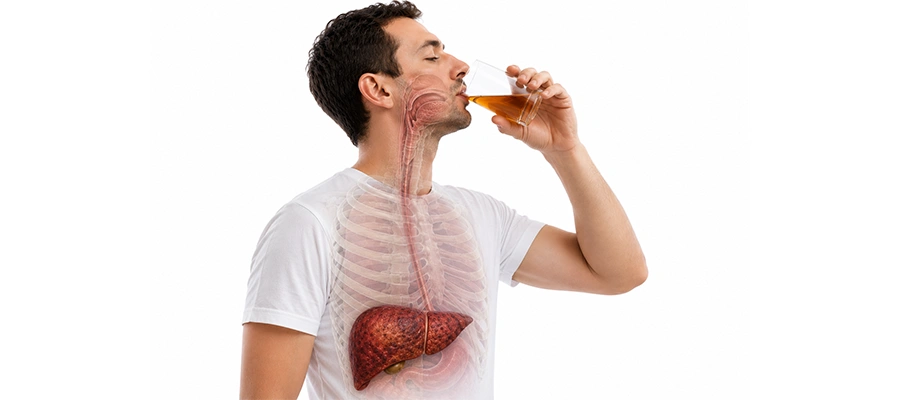
What are the organ damages caused by alcohol consumption?
The healthy functioning of the body depends on the balanced operation of its organ systems. Long-term and regular alcohol consumption can disrupt this balance, causing damage to many organs. The brain, liver, heart, pancreas, muscle tissue, and nervous system are among the structures most affected by this process.
When addiction develops, the problem is not limited to alcohol consumption alone. The individual’s attention span may decrease, behavioral control may become difficult, performance at work may suffer, and serious problems may arise in family relationships. Therefore, both alcohol addiction and the damage caused to the body should be evaluated together during the treatment process.
The Effects of Alcohol on the Brain and Nervous System
The central nervous system controls the body’s processes of thinking, decision-making, movement, and reaction. Because alcohol slows down this system, long-term use can lead to significant impairments in brain function. Common symptoms include decreased attention span, slowed reflexes, forgetfulness, and difficulty concentrating.
Over time, individuals may become more aggressive, have difficulty controlling their emotions, and experience problems in their social relationships. Coordination problems, hand tremors, loss of balance, and difficulty walking are also among the neurological effects. This condition can negatively impact daily life, work routines, and the individual’s ability to move independently.
How does alcohol damage the liver?
The liver plays a vital role in processing harmful substances taken into the body. A large portion of alcohol is also broken down in the liver. Regular consumption puts a strain on liver cells and can lead to cell damage over time. Fatty liver disease may appear in the initial stages.
As the process progresses, serious conditions such as inflammation of the liver tissue, alcoholic hepatitis, and cirrhosis can develop. Weakness, loss of appetite, abdominal bloating, weight loss, jaundice, and digestive problems can accompany liver damage. Therefore, blood tests and medical examinations are important for people who have been using alcohol for a long time.
Alcohol-Related Heart, Pancreas, and Muscle Damage
The circulatory and digestive systems can also be affected by long-term alcohol use. Weakening of the heart muscle, arrhythmias, palpitations, and decreased exercise capacity may occur. This can cause a person to tire more easily during daily activities.
When inflammation develops in the pancreatic tissue, abdominal pain, nausea, vomiting, and digestive problems may occur. In muscle tissue, loss of strength, slowness of movement, and decreased physical performance may be observed. Over time, these effects can significantly reduce a person’s quality of life.
Symptoms Seen in Long-Term Alcohol Use
In chronic use, symptoms are not only physical. Behavior, social life, and mental state are also affected. The person’s attention may decrease, it may become difficult to fulfill responsibilities, and failure may occur in their professional life.
Family disputes may increase, social relationships may weaken, and daily routines may be disrupted. Aggressive behavior, withdrawal, loss of motivation, and poor coordination are among the common symptoms.
How are organ damages related to alcohol use evaluated?
Before a treatment plan is developed, the individual’s overall health status should be thoroughly examined. In individuals with long-term alcohol use, organ damage is assessed through blood tests, radiological examinations, and medical physical examination.
Brain and nervous system findings, liver function, heart health, pancreatic status, and muscle structure should all be considered together. Identifying organ damage is a crucial step in terms of treatment adherence and treatment success.
Alcohol Detoxification and Treatment of Organ Damage
Detoxification is a crucial part of the treatment. However, in cases of long-term use, detoxification alone may not be sufficient. Any organ damage that has occurred must also be addressed in the treatment plan.
During the process of quitting alcohol, physical health, psychological support, and monitoring of organ damage should be carried out together. This approach can help the patient adhere to treatment and contribute to a more successful outcome.
How are alcohol-related organ damages detected?
Long-term alcohol use can affect different organs and systems in the body. Therefore, the assessment is not limited solely to the individual’s alcohol use history. The brain, nervous system, liver, heart, pancreas, and muscle structure are considered together. The goal is to identify the damage alcohol causes to the body early and plan the treatment process accordingly.
Identifying organ damage is crucial for treatment success, as simply quitting alcohol may not always be enough. Assessing the physical damage sustained can improve adherence to treatment and promote a healthier recovery process.
Blood Tests, Radiological Examinations, and Medical Evaluation
One of the first steps in understanding alcohol-related organ damage is blood tests. Liver enzymes, kidney function, blood values, vitamin levels, and certain indicators related to the pancreas can be examined during this process. Liver function tests provide particularly important information in individuals who have been using alcohol for a long time.
Radiological examinations can also be used to assess the structure of organs. Imaging methods such as ultrasound, CT scan, or MRI can be used to investigate structural changes that may occur in the liver, pancreas, and other organs. A medical examination, on the other hand, provides important information about a person’s general condition, neurological findings, muscle strength, nutritional status, and behavioral changes.
Alcohol Detoxification and Organ Damage Treatment
Alcohol detoxification is the process of cleansing the body of alcohol. During this process, withdrawal symptoms are monitored, and a safe quitting process is aimed for. However, detoxification alone is not considered sufficient for long-term alcohol use, as the individual may have already developed damage to the liver, brain, heart, pancreas, or nervous system.
Therefore, treating organ damage should also be part of the process. Supporting liver function, addressing vitamin deficiencies, monitoring neurological symptoms, and ensuring overall metabolic balance can be included in the treatment plan. In this way, both addiction and the effects of alcohol on the body are addressed together.
Personalized Treatment Plan for Alcohol-Related Injuries
Each person’s duration and amount of alcohol consumption, overall health status, and level of organ damage are different. Therefore, the treatment plan should be tailored to the individual. While liver damage is the primary issue in some people, neurological symptoms, heart problems, or pancreatic problems may be more prominent in others.
A personalized treatment plan considers blood tests, imaging results, medical examination findings, and the individual’s lifestyle. The goal is not only to help the person quit alcohol, but also to restore their overall health and support them in returning to a healthier daily life.
Follow-up Process and Patient Compliance in Alcohol Treatment
In alcohol treatment, the follow-up process is just as important as the initial treatment. This is because the healing process for organ damage can take time, and some findings may require regular monitoring. Blood values, liver function, neurological status, and general health indicators should be monitored at regular intervals.
Patient compliance plays a crucial role in the success of treatment. The individual’s continued adherence to the alcohol cessation process, regular follow-up appointments, and adherence to the recommended treatment plan support the recovery process. Regular monitoring allows for the assessment of organ damage and provides the necessary support to prevent relapse.
Does alcohol cause permanent damage to the body?
Long-term and heavy alcohol consumption can cause permanent damage to many organs in the body. The brain, liver, heart, pancreas, and nervous system are particularly directly affected. The extent of the damage varies depending on the duration and amount of alcohol consumption, as well as the individual’s overall health. While some damage may be reversible in the early stages, advanced cases can lead to permanent functional losses.
How can organ damage caused by alcohol be identified?
Organ damage may not always show symptoms in the early stages. Common symptoms may include weakness, decreased attention, forgetfulness, abdominal pain, loss of appetite, muscle weakness, fatigue, impaired coordination, and behavioral changes. A thorough medical examination and necessary laboratory and imaging tests should be planned for a definitive assessment.
Can the damage caused by alcohol show up in blood tests?
Many problems that develop as a result of long-term alcohol use can be detected in blood tests. Liver function tests, pancreatic enzymes, vitamin deficiencies, electrolyte balance, and certain metabolic values, in particular, can provide important information about this process. Blood tests are one of the fundamental examinations in evaluating the damage alcohol causes to the body, but they can be supported by radiological imaging methods when necessary.
Will organs heal after quitting alcohol?
After quitting alcohol, some organs may begin a healing process. In particular, fatty liver disease, certain vitamin deficiencies, and metabolic disorders detected early may improve over time. However, advanced liver damage, nervous system damage, or heart problems that develop as a result of long-term use may not always be completely reversible. Therefore, early assessment and regular follow-up are crucial.
Is alcohol treatment solely about detoxification?
Alcohol treatment is not solely about detoxification. Detoxification helps cleanse the body of alcohol and control withdrawal symptoms, but the physical and neurological effects of long-term use must also be evaluated. Especially in individuals who develop organ damage, the treatment process should include monitoring the damage to the body along with managing the addiction.
What tests should people who have been drinking alcohol for a long time undergo?
For individuals who have regularly consumed alcohol for a long time, a general health check-up alone may not be sufficient. Laboratory tests such as liver function tests, complete blood count, kidney function tests, pancreatic enzymes, vitamin and mineral levels, and electrolyte balance are important. In addition, radiological imaging methods such as ultrasound, CT scan, or MRI should be used to evaluate any structural changes that may occur in the liver, pancreas, and other organs.
Can nerve and brain damage caused by alcohol use be reversed?
The recovery rate from nervous system and brain damage caused by alcohol use depends on the duration of use and the degree of damage sustained. Early symptoms such as decreased attention, slowed reflexes, and mild neurological effects may resolve over time after alcohol cessation.
However, nerve cell damage, memory problems, coordination disorders, and cognitive impairments that develop as a result of years of heavy alcohol use may not always be completely reversible. Therefore, early intervention is extremely important.
Neurological effects that may occur due to alcohol consumption include:
- Attention deficit
- Slowing of reflexes
- Nerve cell damage
- Memory problems
- Coordination disorder
- Cognitive losses
- Permanent neurological damage
What happens if alcohol-related organ damage is left untreated?
Alcohol-related organ damage, if left untreated, can progress over time and seriously affect overall health. Liver damage can develop into cirrhosis, heart muscle weakening can occur, and pancreatic function can be impaired.
Damage to the nervous system can become permanent. As physical health deteriorates, a person’s daily life, work life, social relationships, and adherence to treatment can also be negatively affected. Treatment can become more difficult if early assessment is not performed.
The consequences of untreated alcohol-related organ damage include:
- The progression of liver damage to cirrhosis.
- Weakening of the heart muscle
- Impairment of pancreatic function
- Permanent nervous system damage
- Decrease in daily quality of life